Home Blog Page 32

How to Invest in Biotech Stocks

Biotech Stock

How to Invest in Biotech Stocks

7 simple steps to improving your chances of success in biotech investing

Exciting. Scary. Lucrative. Risky.

All of these adjectives apply to investing in biotech stocks. The excitement and the prospects for generating huge profits make biotech stocks appealing to many investors. On the other hand, the fear of big losses that stem from the high risk levels associated with many biotech stocks causes other investors to stay away.

How should you go about investing in biotech stocks? There are 7 key steps to follow that should improve your chances of success:

  1. Know which stocks are biotech stocks — and which aren’t.
  2. Determine your risk tolerance.
  3. Understand the risks specific to biotech stocks.
  4. Know what to look for in a biotech stock.
  5. Evaluate the top biotech stocks and biotech exchange-traded funds (ETFs).
  6. Invest cautiously.
  7. Monitor changing dynamics.

Here’s what you need to know about each of these seven steps for investing in biotech stocks.

biotech stock investing


1. Know which stocks are biotech stocks — and which aren’t

First, you’ll want to know which stocks actually are biotechs and which aren’t. It’s not as easy as you might think.

Biotech is short for biotechnology, a term that references any technology that incorporates biological organisms. Companies that make genetically modified foods fall into this category, as do drugmakers that develop biologic drugs — large, complicated molecules that are manufactured within a living organism.

But while many big pharmaceutical companies develop biologic drugs now, they aren’t usually viewed as biotechs. That’s primarily because these companies make most of their revenue from sources other than biologic drugs.

Also, some drugmakers are typically classified as biotechs even though they don’t make most of their money from biologic drugs. Why? A lot of people call any small drugmaker a “biotech” regardless of whether the drugs it develops use living organisms. Even when these small companies grow to be large, they’re still called biotechs.

If you’re looking to invest in biotech stocks, there is one quick way to determine which stocks are biotechs and which aren’t. You can check out the industry designation for the company on investing sites. On Fool.com, for example, enter the ticker symbol for a given stock and then click on the “Profile” link. If the industry in the company info section is “Med-Biomed/Genetics,” it’s a biotech stock.

2. Determine your risk tolerance

Perhaps the most important step of all with investing in biotech stocks is to determine your risk tolerance. Some investors are aggressive and can tolerate higher levels of risk. Others are more conservative and seek to minimize their risk levels. There’s a big reason you’ll want to know your risk tolerance: It will help you determine which biotech stocks are good investing candidates for you and which aren’t.

If you already know your risk tolerance, great. If you don’t, you might want to complete a risk-tolerance questionnaire to help you determine your investing style.

3. Understand the risks specific to biotech stocks

All stocks have risks. But biotech stocks have some specific risks that aren’t applicable to stocks in many other industries. These risks include clinical failures, regulatory approval setbacks, commercialization problems, and loss of exclusivity/patent expiration.

The risk of clinical failure. Probably the most critical of these biotech-specific risks is the potential of failures in clinical trials. All biotech companies must thoroughly test their experimental drugs to assess the drugs’ safety and efficacy in treating the targeted condition.

This process starts with preclinical testing. Some preclinical testing is conducted in vitro, which literally means “in the glass.” That’s a reference to lab testing in test tubes, culture dishes, and other ways that don’t involve animals or humans. Other preclinical testing is done in vivo, which means “within the living.” This kind of preclinical testing is performed using laboratory animals.

Biotechs that only have experimental drugs in the preclinical stage are especially risky. Most drugs never advance from preclinical testing into clinical studies.

If a drug looks promising in preclinical testing, though, the biotech can seek regulatory approval from the Food and Drug Administration (FDA) in the U.S. or the European Medicines Agency in Europe to begin a phase 1 clinical study. The primary purposes of phase 1 clinical studies are to evaluate the safety of an experimental drug, including identifying possible side effects, and to determine the ideal dosage range for the drug.

Around 37% of drugs that are evaluated in phase 1 clinical studies fail, according to the Biotechnology Innovation Organization (BIO). The successful drugs advance to phase 2 clinical studies. These studies test the efficacy and appropriate dosage levels of the drugs.

Most drugs — nearly 70%, based on BIO’s analysis of historical data — aren’t successful in phase 2 clinical testing. The ones that are move to phase 3 clinical studies, large clinical trials needed to assemble sufficient statistical data that the drugs are both safe and effective. Almost 42% of drugs fail in phase 3 testing.

Overall, only 11% of experimental drugs that begin clinical studies jump all the hurdles needed to file for regulatory approval.

Regulatory approval setbacks. Biotechs still face the risk that drugs that have been successful in clinical studies won’t win regulatory approval. Nearly 15% of drugs submitted for approval get a thumbs-down from the FDA, according to BIO.

In some cases, the biotech can conduct additional clinical studies to persuade regulatory agencies to approve an experimental drug. However, frequently a regulatory rejection means the end of the road for a drug.

Commercialization problems. You might think that once its drug wins regulatory approval, a biotech has it made. Not necessarily. Companies must persuade insurers and government healthcare programs to pay for a new drug.

In the U.S., this process involves working with all of the major insurers and pharmacy benefit managers, as well as Medicare and Medicaid, to provide coverage for a new drug. In Europe, biotechs must negotiate with each country individually for a new drug to be covered.
illusio-AR

Invest in Illusio The worlds first Augmented Reality Platform For Cosmetic Surgery

On top of these negotiations, biotechs must build sales teams to promote new drugs to prescribers. In many cases, companies also market directly to consumers via online, print, and TV advertising. Despite all of these efforts, there are significant risks that a biotech will be unsuccessful in achieving commercial success for a new product.

Loss of exclusivity/patent expiration. While biotechs often compete against other drugmakers, they enjoy protection for a while from potential rivals seeking to market generic or biosimilar versions of their drugs. Biologic drugs receive a 12-year period of exclusivity from biosimilar competition, while non-biologic drugs typically have a five-year exclusivity period.

In addition to the exclusivity periods, biotechs usually secure patents on their drugs. These patents expire 20 years after the filing date.

Once a biotech’s drug loses exclusivity and patent protection, rival companies can legally launch “copycat” versions of the drug. This nearly always causes a sharp decline in sales for the biotech’s drug.

4. Know what to look for in a biotech stock

The perfect biotech stock to buy would be one that has a broad lineup of approved drugs on the market. Each of these drugs would generate billions of dollars in annual sales. They would have a long way to go before the loss of exclusivity or patent expiration. And they would enjoy virtual monopolies for the conditions they treat.

This perfect biotech stock would also have a deep pipeline with a lot of candidates in phase 3 testing. The company would be super-profitable with fast-growing revenue and a mountain of cash built up to use in rewarding investors through share buybacks and dividends. And the stock would be dirt cheap.

Unfortunately, such a biotech stock doesn’t exist. However, these ideal qualities of a perfect biotech stock represent the things you should look for, and they fall into four main categories: current product lineup, pipeline, financial position, and valuation. The closer a given biotech stock rates on each measure, the better investment choice it should be.

Many small biotechs won’t have any approved drugs yet. For the biotechs that do, companies with multiple drugs with strong and growing sales will be less risky than others. It’s also a good sign when a biotech has best-selling drugs in multiple therapeutic areas. Diversified revenue sources are nice to have with any stock.

Pipelines can be difficult to evaluate. However, a pipeline that has several drugs in late-stage testing is preferred because they have less risk than experimental drugs in earlier-stage development. You can also check out what analysts and other industry observers have to say about early stage clinical results to get a sense of whether there are any yellow flags with what might otherwise seem to be positive results.

Established biotechs will have stronger financial positions than small clinical-stage biotechs. Strong revenue and earnings growth is a big plus. Regardless of the size of the biotech, though, look at the company’s cash position. A small biotech with no approved products could have to issue new shares if it doesn’t have enough cash, which causes dilution in the value of existing shares. (Think of a pizza with eight slices that’s cut into 16 slices. Anyone who had a slice initially has less pizza to eat after the second slicing.)

With larger biotech stocks, you can use traditional metrics such as price-to-earnings and price-to-earnings-to-growth (PEG) ratios to assess valuations. The key here is to compare these valuation metrics for a given biotech stock against its peers to determine whether it’s relatively cheap or relatively expensive.

The valuations of smaller biotech stocks with no approved drugs are tied to what investors think about the biotechs’ pipeline prospects. It’s difficult to know how reasonable the growth prospects are for pipeline candidates that haven’t been approved yet.

One important thing you can look at with small biotechs, though, is any partnerships that they have established with larger drugmakers. A major drugmaker wouldn’t partner with a smaller biotech without performing due diligence on its pipeline candidates. Having a big partner doesn’t mean that a small biotech’s pipeline isn’t risky, but investors can usually have more confidence in a small biotech’s pipeline candidate when a major drugmaker has put significant money on the line betting on the success of the experimental drug.

5. Evaluate the top biotech stocks and ETFs

The 10 biggest biotech stocks claim market caps (the total market value of a company’s outstanding shares) of at least $30 billion, with several having market caps of more than $100 million. These are the exceptions, though. There are hundreds of biotech stocks with much smaller market caps. In addition, several biotech ETFs are available that hold positions in many individual biotech stocks. Your risk tolerance will dictate which of these biotech investment alternatives are the best fits for you.

To give you a sense of how to evaluate biotech stocks and ETFs, we’ll look at a few examples that might appeal to investors with different risk tolerances. Note that there are no options provided for investors with low-risk tolerances. Why? Biotech stocks and ETFs probably wouldn’t be well suited for these investors.

Biotech Stock/ETF Risk Tolerance Level of Investors Who Might Like the Stock/ETF
Alexion Pharmaceuticals (NASDAQ:ALXN) Moderate
Amgen (NASDAQ:AMGN) Moderate
Editas Medicine (NASDAQ:EDIT) Very high
Vertex Pharmaceuticals (NASDAQ:VRTX) High
SPDR S&P Biotech ETF (NYSEMKT:XBI) Moderate

Alexion Pharmaceuticals. Alexion currently has four approved products, all of which target rare diseases. The biotech’s biggest blockbuster, Soliris, recently won FDA approval for treating another condition, neuromyelitis optica spectrum disorder. Sales are climbing for all four of Alexion’s drugs, with tremendous growth for its newest product, Ultomiris, which market researcher EvaluatePharma thinks will be the biggest new drug launch of 2019.

The biotech’s pipeline includes three late-stage programs targeting rare diseases. In addition, Alexion has four early stage clinical programs.

Alexion appears to be in a strong financial position. Its revenue and earnings continue to grow rapidly. The company also has a substantial cash stockpile that it can use to reward shareholders through stock buybacks or to make strategic business development deals to fuel growth.

While many biotech stocks have sky-high valuations, Alexion is one of the most attractively valued biotechs on the market. Its forward price-to-earnings multiple, which uses estimated earnings rather than historical earnings, and PEG ratio are both low compared with most other biotech stocks.

Alexion faces some risks, including key patents for Soliris beginning to expire in 2021 and the possibility that its clinical programs won’t be successful.

Amgen. Amgen currently claims 18 approved products. Seven of these generated sales of more than $1 billion in 2018. At least two more of the biotech’s approved drugs, Kyprolis and Aimovig, appear to be on the way to becoming blockbusters.

The company’s pipeline includes six late-stage programs, including the pursuit of additional approved indications for three already-approved drugs, plus three biosimilars in development. Amgen also has 26 programs in phase 1 and phase 2 testing.

Amgen generates tremendous cash flow and has one of the largest cash stockpiles in the industry. The company also pays a dividend with an attractive yield. This strong financial position is a key reason investors with moderate risk tolerances might like Amgen.

The biotech’s forward P/E ratio is low. However, some investors might be leery of Amgen’s high PEG ratio.

However, several of Amgen’s top drugs face intense competition. This situation is likely to weigh on Amgen’s growth in the coming years. Amgen’s pipeline is also risky, with 23 programs in phase 1 clinical studies.

Editas Medicine. Editas Medicine is by far the riskiest of the biotech stocks on our list. The company has no approved products and is a long way from even the possibility of launching a drug commercially.

The attraction for Editas is its pipeline. The biotech plans to begin the first in vivo testing of a CRISPR gene editing therapy in humans in 2019. This phase 1 study will evaluate Editas’ lead candidate, EDIT-101, in treating Leber congenital amaurosis type 10, the leading genetic cause of blindness. Allergan is partnering with Editas on developing EDIT-101. Other than EDIT-101, though, Editas’ pipeline consists only of preclinical programs.

Editas has to rely largely on collaboration revenue from Allergan and its other big partner, Celgene, to fund operations. The biotech could have to raise additional cash through issuing new stock in the future.

For a company with no product revenue, Editas’ market cap is quite high. However, the market cap reflects the tremendous excitement among investors about the potential for the biotech’s gene-editing candidates.

But although CRISPR gene editing could be a game-changer in treating diseases, it remains a technology in its infancy. Editas faces considerable challenges in advancing its pipeline candidates.

Vertex Pharmaceuticals. Vertex Pharmaceuticals has three approved drugs on the market, all of which treat the underlying cause of cystic fibrosis (CF). The biotech essentially enjoys a monopoly in CF right now.

It’s likely that Vertex’s pipeline will fuel more growth. The biotech hopes to win approval for a triple-drug CF combo in 2020. This regimen would dramatically increase Vertex’s target patient population. In addition, the biotech’s pipeline includes an experimental pain drug that’s in phase 2 testing and a couple of early stage programs targeting rare diseases.

Vertex’s financial position continues to look better and better as its revenue and profitability increase. The company has a significant amount of cash built up that it plans to use in adding more programs to its pipeline.

While Amgen has a low forward P/E multiple and a high PEG ratio, it’s the opposite case for Vertex. The biotech’s attractive PEG ratio is a sign of the tremendous growth expected for Vertex, with the anticipated launch next year of its triple-drug combo for treating CF.

There is a risk, though, that Vertex could run into regulatory approval problems. The biotech’s pipeline candidates also face risks of failure in clinical studies.

SPDR S&P Biotech ETF. You might wonder why the SPDR S&P Biotech ETF isn’t more suitable for investors with low risk tolerances. Although the ETF holds positions in over 100 biotech stocks, many of these stocks have high or very high risk levels.

For moderately aggressive investors, though, this ETF could be a smart way to profit from growth in the biotech industry. While some of the biotechs among the fund’s holdings could experience pipeline setbacks or other issues, not all of them will.

The primary downside to buying the SPDR S&P Biotech ETF, other than risk, is that the fund has an annual expense ratio of 0.35%. However, that’s not unreasonable, considering the broad basket of biotech stocks the ETF provides.

6. Invest cautiously

Whichever biotech stock or ETF you buy, invest cautiously. Don’t put too much of your portfolio in biotech stocks, because of the risk and volatility associated with the industry.

If you’re buying the stock of a small clinical-stage biotech, you’ll want to be even more cautious. You might consider investing a small amount initially. If clinical study results increase your confidence in the biotech’s prospects, you could then increase your position in the stock.

7. Monitor changing dynamics

The last step for investing in biotech stocks is to monitor changing dynamics. Bad news doesn’t necessarily mean you should sell your biotech stocks, but it could prompt you to do so. Horrible results from a clinical study, for instance, could completely change your entire investing thesis — especially for a clinical-stage biotech.

Keep your eyes on the competition, too. The emergence of new drugs could threaten even a big biotech’s sales.

There’s also the possibility that the reimbursement environment changes dramatically. For example, major changes to the U.S. healthcare system that limit the ability of biotechs to set drug prices would probably negatively affect stock prices.

Back to those adjectives

Yes, investing in biotech stocks can be scary and risky. However, following these seven steps should increase the odds that your experience in investing in biotech stocks is both exciting and lucrative over the long run.

Now that you’ve got the basics,

Aurora Cannabis stock slammed by executive departure and insiders selling

Aurora Cannabis stock

Aurora Cannabis stock slammed by executive departure and insiders selling

Jefferies downgrades Aurora stock to hold from buy and says path to profitability is further away than expected.

Aurora Cannabis Inc.’s U.S.-listed shares slid 8% Monday, after the company announced the exit of a key executive, amid insiders selling stakes, dilutive financing moves and questions about the company’s path to profitability.

The Canadian company, which is the most widely held stock ACB, -4.50%ACB, -4.58%  on trading platform Robinhood, said late Saturday that Cam Battley, its chief commercial officer and the man widely viewed as the face of the company, was leaving. Battley had been with Aurora since 2016 and will remain on the board of MedReleaf Australia, a private cannabis company in which Aurora owns a stake.

Jefferies downgraded the stock to hold from buy following the news.

“It is clear to us that the market is lacking conviction in Aurora, and this update will do little to help that,” Jefferies analyst Owen Bennett wrote in a note to clients as he lowered his stock price target to C$3.00 ($2.28) from C$7.00.

Aurora shares have lost 24% of their value in the past month, battered by negative sell-side reports, a controversial convertible bond exchange that was highly dilutive for shareholders and news that Director Jason Dyck had sold more than 1 million of his shares, equal to 57% of his holdings.

But for Bennett, the key issue is one of trust. Aurora has repeatedly failed to meet its own targets and has promised one course of action, before immediately choosing another, he said.

“Key examples are missing revenue guidance despite issuing it after quarter-end at Q4, still little visibility on near-term profitability despite promises since January and throughout 2019 this would happen by Q4, continued dilution (debenture conversion, ATM used) despite reassurances this would not be the case, announcement of ceasing facility constructions just weeks after a press release praising their progression, and most recently the embarrassment of having to freeze sales in Germany over an investigation into the company’s processing methods,” the analyst wrote.

“Against this backdrop, we believe it is easy to make the case that Battley is ‘jumping ship’ with potential further bad news on the way and it is also now one thing too many for our previous conviction.”

MKM analyst Bill Kirk noted it’s the third major management shake-up in the new cannabis sector in a year, coming after Canopy Growth Corp.’s CGC, -0.05%WEED, -4.42%  Bruce Linton was ousted and Aphria Inc.’s APHA, +1.66%APHA, -2.60%  former CEO Vic Neufeld was forced to step down. Battley was one of the strongest voices for the industry, said Kirk.

“The sudden departure, during a period of insider selling, dwindling cash to cover payables, and sector turmoil does not send a strong message to investors,” he wrote, as he cut his stock price target to C$2.00 from C$3.00 and reiterated a sell rating.

Kirk is expecting profitability for cannabis growers to get worse before it gets better, with pricing falling and supply gradually improving. The Canadian sector has had a rocky rollout with red tape hampering the creation of a network of retail stores that has allowed the black market to thrive.

“With legal price gaps widening versus the illicit channel, we believe growth and addressable market opportunities are smaller than others believe,” the analyst wrote. “Further, an outsized (relative to peers) exposure to medical marijuana limits the growth opportunity as most medical markets (Canada, various U.S. states) show flat to declining medical consumption.”

Aurora shares have fallen 59% in 2019, while the ETFMG Alternative Harvest ETF MJ, -0.18%  has declined 30% and the Horizons Marijuana Life Sciences ETF HMMJ, -3.16%  has shed 39% of its value.

The S&P 500 index SPX, +0.00%  has gained 29% and the Dow Jones Industrial Average DJIA, +0.08% has gained 22% in the year to date.

How the US is falling behind Israel in helping startups and why Reg A+ is the answer in 2020

Israel success startups

How the US is falling behind Israel in helping startups and why Reg A+ is the answer in 2020

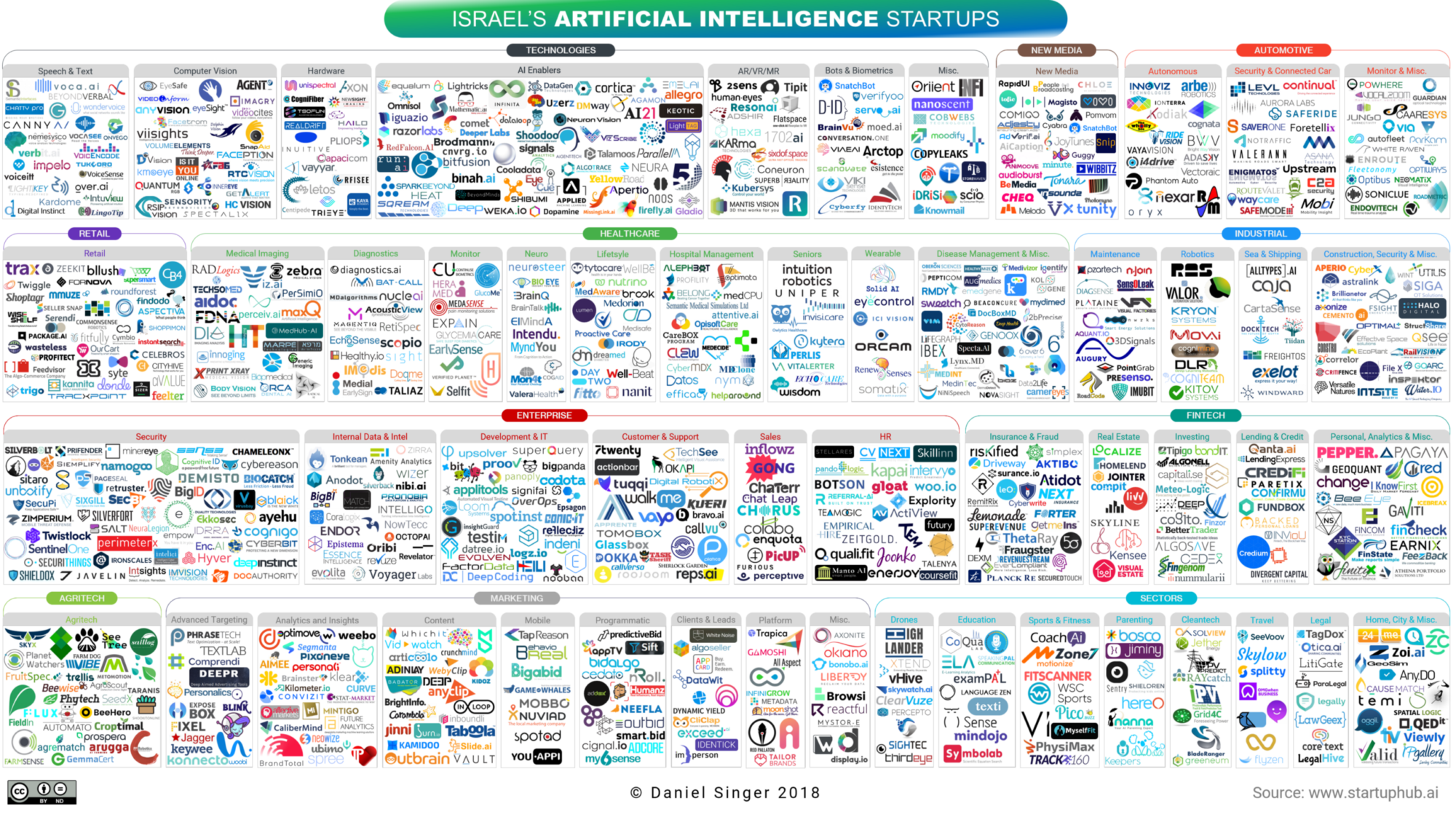
Israel has become the center for Tech startups and the future for the European cannabis markets.

Israel the Startup Paradise

Israel has gained recognition throughout the world as being leaders and helping companies grow by government-initiated subsidies and grants. Israeli startups today are fortunate to benefit from an extensive variety of programs and initiatives that are available in Israel which are not available in other countries. For example, Israel has in place over 30 programs that are tailor-made for startups to help them secure funding for their businesses.

US is the World of Unicorn Fever

The United States, unfortunately, has not seen fit to step in to help companies the same way as Israel.  This has left the United States with a culture where VC’s have dominated the investment industry. VCs give false hope too many accredited investors by inflating the value of the companies they have initially invested in.  Proof of this can be found with WeWork, Uber, and Lyft.

Silicon Valley has taken Valuations over innovation

Silicon Valley has long taken nepotism before innovation. Facebook no longer is an innovation company it is an acquisition company. Snapchat Has Fallen since its IPO has failed to produce anything new since its Inception.  YouTube which is owned by Google has kept the same format but now through influencers and monetization is the second largest search engine in the world.

Israel, on the other hand, has taken steps to help companies innovate.  The success of startups in Israel is 10 times that of the US because they look at helping to grow technology and innovation from the government down.  The US VCs don’t get a say how to value the Israeli companies that they invest in, to the extent that is dictated in America.

Israel is benefits startups

One of the benefits of doing business in Israel is its size. Israel is a small country, and as such, it is much easier for entrepreneurs to conduct market tests, and to determine the needs of their target market. Identifying and solving the problems of your target customer is one of the core elements of entrepreneurship, and the smaller size of Israel reduces the cost and the time of this process. By understanding and resolving the problems of their customers faster, Israeli companies can now go to market more quickly with a product that serves a market need. If there is a shift in demand for their product or service, it is easier to pick up on these changes and then pivot accordingly. This ease of access also enables entrepreneurs to be in touch with their business partners, suppliers, in addition to their consumers.

Private unicorns versus public listed companies

Companies and startups in Israel are helped by a lack of inflated valuations and more on the success of the product and the company itself.  In Silicon Valley if you have the big VCS like Drapper Ventures backing you,  you are more likely to succeed financially than if you have a smaller VC with the lesser-known name.  Becoming a unicorn is less about your product or your service it is more about the VC who invests.

Uber has shown what can happen when a company is overvalued at $72 billion and yet continued to raise money in Series H, I, J, K. In 2017 Uber was supposed to be the biggest and most anticipated IPO of the year.  In 2018 the Uber IPO became a disaster with the stock and company valuation less than half of what it was in 2016.

THE JOBS Act is finally good for all investors

The JOBS Act of 2012 put the ability for investors to gauge companies and help the economy and small businesses.  The problem with the JOBS Act is that it was too little too late.  Now with Title IV of the JOBS Act, more investors can invest in startups through red CF and Reg A+ which helps investors gain more and eliminate or minimize the influence of big VCS which will help smaller companies and give real valuations of companies worth based on their products rather than their initial investor.

This should be a good thing for all companies and help investors to see the true potential of companies while minimizing the influence of VC’s and their predatory practices. It is still not on par with the involvement that Israel and its government has placed in building new innovation and new companies.

Israel will dominate European Cannabis Markets

If you are to look at the Cannabis industry you will notice that Israel has become and will become the leading player in the European cannabis markets. Meanwhile, the US cannabis markets will fluctuate and many of the current publicly-listed marijuana companies will fail.  investor expectations in marijuana and CBD will lead more investors to go towards Israel as an investment versus staying with the US Cannabis markets due to regulations and lack of government support.

israeli startupsSecurities Act of 1933

The SEC has had a tough time trying to fix the issues that they themselves created back in the 1930s. The securities acts restricting regular investors from investing certain high-risk securities.  Equity crowdfunding should have been the biggest investment vehicle since 1933.  Instead, what we have is uncertainty of who can invest, how much they can invest, and where they can invest. For accredited investors and the high net worth individuals, this has never been an issue but for Main Street investors and issuers trying to raise capital the SEC has stepped on its own toes.

Reg A+ and Reg CF will mature in 2020

Reg A+ and Reg CF should see the final demise and put the final nail in the coffin for all the VC vultures in Silicon Valley that have helped themselves by rigging a system in their favor at the expense of regular investors.  They have also helped destroy many innovative companies. Quick buyouts and acquisitions get out of long term deals and gain the maximum returns for the VCs before the company has had time to build their service or product correctly.

All investors should be rejoicing but they can now invest in the same companies at the same time and reach the same returns on investment that previously was only enjoyed by these species.

Stop the Silicon Valley Ponzi Schemes

The situation is very simple the Israeli government has purposely and effectively salt to build innovation and bring new jobs new technology it has stood behind its companies and helps fund many startups.  the United States government has left this to the feces and it caused a Ponzi scheme in Silicon Valley that is enriched the rich and locked out the 98%.

Equity Investors

If you are an investor any income now is your opportunity to finally be able to get in early-stage for as little as $500.  Look to equity crowdfunding as a new way to invest your money should be the most important part of your investment portfolio for the next 3 years.  Equity investing and Reg A+ investing will yield higher returns than the stock market or any other investment vehicle. Therefore, the investor needs to research and understand the companies that they are investing in.

Most investors do not fully understand their 401k, so this gives investors who are in the know the opportunity to build a robust portfolio and take back their earnings and build higher returns on investment.


Who is your target investor audience and how do you get the investor leads

investor leads

Who is your targeted investor audience and how do you get the investor leads?

Regardless of your investor marketing goals your company needs a full investor marketing campaign.  If your company is looking to target accredited investors, oil and gas investors or stock investors, a full expansive investor relations plan.

Embarking on an investor marketing campaign strategy is a long term. Investor email marketing is effective and immediate only after there is a full strategic plan initiated and executed.

Building an investor marketing campaign to accredited investors for 506 (c) raises.

Here is some important information that companies and investors should know:

Jumpstart Our Business Startups (JOBS)

The Jumpstart Our Business Startups (JOBS) Act is a piece of U.S. legislation that was signed into law by President Barack Obama on April 5, 2012, that loosens regulations instituted by the Securities And Exchange Commission (SEC) on small businesses. It lowers reporting and disclosure requirements for companies with less than $1 billion in revenue, and allows advertising of securities offerings. It also allows greater access to crowd-funding, and greatly expands the number of companies that can offer stock without going through SEC registration.

Marketing a 506(c) to Accredited Investors

Rule 506(c) permits issuers to broadly solicit and generally advertise an offering, provided that:

  • all purchasers in the offering are accredited investors
  • the issuer takes reasonable steps to verify purchasers’ accredited investor status and
  • certain other conditions in Regulation D are satisfied

Purchasers in a Rule 506(c) offering receive “restricted securities.” A company is required to file a notice with the Commission on Form D within 15 days after the first sale of securities in the offering. Although the Securities Act provides a federal preemption from state registration and qualification under Rule 506(c), the states still have authority to require notice filings and collect state fees.

There are essentials needed in order to deliver a responsive investor marketing campaign that will help yield more investor leads and build an investor email list that can be used again and again.

Essential Investor Marketing campaign basics

  1. Custom website
  2. Google accounts
  3. Email Set Up
  4. Amazon Web Server
  5. Keyword research – SEO
  6. SEO Ongoing and Content delivery
  7. Email Server
  8. Pitch Decks, PDFs, Video Marketing


  1. Website:
    • A website is essential to help build your companies reach and visibility. The website should deliver easy to navigate pages and information. Create urgency with “call to action” to funnel potential investors to act on your offering. The information contained on the site should be specific and all information should be reviewed for legal and compliance. The website should have a clear phone and email links for investors to contact directly.
  2. Google Accounts:
    • Set up all accounts on google, you will need google analytics, google webmaster and youtube account set up. There is also google suites set up that should be considered to help track email accounts and centralize the ability to collaborate with other team members via google docs and google drive. If your company does not have a dedicated person who understands google analytics you should employ a reliable expert to set up correctly and deliver relevant reporting.
  3. Email Set up:
    • Professional emails from your company domain make a better impression than a gmail or yahoo mail. This is a simple set up and will just add more professionalism to your company.
  1. Amazon Web Server
    • Amazon Web Server (AWS) adds a host of features to help your company. AWS is intensive and not for the faint of heart, but it for video hosting and more options that traditional hostgator or godaddy hosting. To build a site and build custom features in AWS you should have a team that understands the needs and expectations of your company.
  1. Keyword Research:
    • Keyword research takes time and effort. This is a part science and part art. Building your content in a search engine friendly way will help investors to find your content and your website. Initial website set up should have this top of mind in order to attract investment and build confidence.
  2. SEO and Investor orientated Content:
    • Search engine optimization (SEO) is essential to the success of your campaign being seen online. There are many schools of thought on this, but it is essential, it must be done. Search engine like google read and score content on multiple factors. Writing SEO rich content is a very time consuming and demanding process. This is something that may be outsourced but only through google analytics and webmaster tools can you gauge the effectiveness.
  1. Email Server:
    • Emailing investors has its downside, many email marketing services like mailchimp, aweber and constant contact do not allow users to solicit investments. Companies engaging in email marketing through these services may be blacklisted or their accounts may be terminated. There should be a plan in place on how to email investors as they sign up for your offering.
  2. Pitch decks, PDFs and Video Marketing:
    • There are restrictions on how much information can be delivered publicly in a 506(c) raise. The best advice is use caution. There should be public pitch deck and a private pitch deck aimed at accredited investors and qualified investors. These decks and videos should be created with these factors in mind. The public information should be able to be accessed through the website and private information should be hidden and only sent to those accredited investors or qualified investors. There should also be an emphasis on press releases and social media marketing.

We know this may seem like a lot of information, but we have just scratched the surface on the requirements. Embarking on an investor marketing campaign and marketing to accredited investors is a serious and time-consuming endeavor.

Companies looking to build successful investor marketing campaigns may choose to outsource to experienced professionals who have the knowledge to deliver a complete investor marketing plan.

If your company is looking to deliver an effective investor marketing plan to accredited investors contact Investor Leads.

Space Tourism Set to Become a Craze in 2020

space tourism stocks

Space Tourism Set to Become a Craze in 2020

The space tourism sector is heating up with the major players getting close to their goal of delivering various forms of commercial spaceflight by 2020.

Notably, NASA’s decision to open up the International Space Station for tourism and other private ventures from 2020 is a key catalyst in expanding the scope and market of space tourism.

Space Tourism Prospects Aplenty

Space tourism, also known as “citizen space exploration” or “personal spaceflight”, has become an attractive space due to strong consumer spending.

However, the biggest roadblock for the success of space tourism is the high cost of travel. Notably, a trip to the International Space Station will cost around $35K per day of stay while a return ticket will cost around $60 million.

The cost of getting into space will decline if the next generation of space planes can reach the orbit, making it an economically feasible option for a larger customer segment. This will also help the market to expand rapidly.

Per marketstudyreport.com data, cited by MarketWatch, the space tourism market is expected to be worth $1.18 billion by 2024, witnessing CAGR of 16.6% between 2019 and 2024.

This is why companies like Amazon AMZN backed Blue Origin, Tesla TSLA backed SpaceX, Virgin Galactic Holdings SPCE and Boeing BA are taking a number of initiatives to gain a foothold in this promising space.

Stocks in Focus

Amazon

Amazon backed Blue Origin’s offering is based around a more traditional rocket (the New Shepard), which takes off and lands vertically, and its objectives include orbital spaceflight.

The space tourism company has performed several test flights, the most recent one on Dec 11, and is planning to put paying passengers into space by 2020. The company’s plan is to place up to six passengers on each flight, with tickets expected to cost around $200K to $300K per person.

Moreover, the company has teamed up with aerospace giants Lockheed Martin LMT, Northrop Grumman NOC and Draper in an attempt to build a lunar landing system to meet the
U.S. government’s goal of taking humans to the moon by 2024.

Amazon.com, Inc. Price and Consensus

Virgin Galactic

To date, Virgin Galactic has been the main competitor for Blue Origin in terms of sub-orbital space tourism. Its current space plane, VSS Unity, entered outer space in December 2018 as part of its testing process, with two additional space planes in development in Mojave, CA.

Tickets currently cost $250K per person and more than 600 people from 60 countries have reserved seats.

However, the company has been facing headwinds over the space flight. Virgin Galactic originally aimed to deliver space flight by 2009 but it got delayed. In 2014, the company’s first spaceship VSS Enterprise crashed, resulting in the death of its co-pilot, Michael Alsbury.

Social Capital Hedosophia Holdings Corp. Price and Consensus

Tesla

Tesla backed SpaceX already has experience when it comes to launching space-bound flights and the company is hoping to get on board the space tourism bandwagon.

However, unlike other companies in this sector, it is prioritizing lunar tourism and other forms of space tourism extending beyond Earth’s orbit.

Notably, in September, SpaceX unveiled Starship MK1, its new starship that will be able to carry up to 100 people to the moon, Mars or other destinations in space or around Earth.

Moreover, SpaceX is one of the companies that will choose clients and deliver them via its own rocket-and-capsule launch systems for the International Space Station trips starting next year.

Tesla, Inc. Price and Consensus

Boeing

Boeing emerged as a major player in the space tourism industry when it entered into a deal with NASA as part of its Commercial Crew Development program. This program was designed to increase private sector involvement in the production of crew vehicles to be launched into orbit.

Notably, the company’s contract with NASA provides it with the opportunity to sell seats to space tourists. In October, the company also announced its plans to invest $20 million in Virgin Galactic.

Boeing is another company that will choose and deliver clients for International Space Station trips starting next year.

The Boeing Company Price and Consensus

Zacks Rank

While Tesla carries a Zacks Rank #2 (Buy), Amazon and Virgin Galactic currently carry a Zacks Rank #3 (Hold). You can see the complete list of today’s Zacks #1 Rank (Strong Buy) stocks here.

Boeing currently carries a Zacks Rank #5 (Strong Sell).

Reg A Investor delivers the best start ups in Reg A+ and Reg CF

Reg A Investors delivers the best start ups in Reg A+ and Reg CF

Invest along side accredited investors in Early Stage Companies with Reg A+ and Reg Cf with Equity Investor

Reg A Investor delivers exclusive investment opportunities in early stage companies. Invest in emerging growth companies to maximize your returns using Reg A+ and Reg Cf.

Reg A+ Investing Markets will soar in 2020

  • Build your wealth by investing in early stage companies with real exit strategies.
  • Invest in private companies with huge growth potential along with thousands of accredited investors and non-accredited investors.
  • Earn better returns on your investment by investing in companies prior to going public.

Accredited Investors

The JOBS Act 3.0 will deliver an opportunity for investors to become self accredited. This will open more opportunities to a whole new pool of self directed accredited investors.

Invest Today at Reg A Investors

Twitter, Facebook take down global network of fake accounts pushing pro-Trump messages

twitter Trump

Twitter, Facebook takedown global network of fake accounts pushing pro-Trump messages

Facebook Inc. FB, +0.12% and Twitter Inc. TWTR, +0.31% have taken down a global network of fake accounts used in a coordinated campaign to push pro-Trump political messages, including some that used artificial intelligence tools to try to mask the behavior, the companies and outside research firms they worked with said.

The move targeted a U.S.-based media company that also operates out of Vietnam called the BL, which, Facebook alleges, used computer-generated profile pictures to cover up the orchestrated nature of its activities. Facebook linked the company to the Epoch Media Group, which has had ties to the Falun Gong movement, a spiritual movement based in China which has clashed with the Chinese government and supported President Trump’s reelection.

The BL, also known as the Beauty of Life, is “currently working with Facebook to resolve the issue,” said Orysia McCabe, the website’s editor in chief. She didn’t say how the company planned to settle the matter with Facebook.

In a statement posted to his company’s website, Epoch Media Group Publisher Stephen Gregory denied any connection between the BL and his company, saying that the BL was “founded by a former employee, and employs some of our former employees.” Epoch Media is neither owned nor operated by Falun Gong, the company has said.

A Facebook spokeswoman responded by saying that executives of the BL were active administrators on Epoch Media Group-controlled pages as recently as Friday morning, when the BL accounts were deleted by Facebook.

An expanded version of this report appears at WSJ.com.


VIVO Cannabis Inc. Announces Cannabis 2.0 Products

VIVO Cannabis Inc. Announces Cannabis 2.0 Products

Canada NewsWire

NAPANEE, ONDec. 20, 2019 /CNW/ – VIVO Cannabis Inc. (TSX-V:  VIVO, OTCQX:  VVCIF) (“VIVO” or the “Company“) today officially revealed its new Cannabis 2.0. products set to come to market in the coming months across Canada.  VIVO will focus on the vape, chocolates and concentrates categories leveraging VIVO’s premium adult-use cannabis brands including Canna Farms™ and Fireside™.

VIVO Cannabis (CNW Group/VIVO Cannabis Inc.)

“VIVO is committed to changing the way people view cannabis and to enhancing lives.  I’m delighted with our Cannabis 2.0. offering.  The range is robust and stretches across multiple new legal categories including vapes, chocolates, and concentrates that include kief, rosin, bubble hash, wax and shatter.  Coupled with our commitment to quality and consistency in supply, I’m confident that our range of products will help to play a role in decreasing the size of the illicit footprint,” said VIVO’s CEO, Barry Fishman.

The range of new products includes Canna Farms™ BC Kief, Canna Farms™ BC Bubble Hash, Canna Farms™ BC Live Rosin, and Canna Farms™ BC Hash Rosin.  “Our offering for traditional concentrates meets the demand for solvent free products that keep terpenes & flavour intact,” said Dan LaFlamme, President, Canna Farms Ltd.

Additionally, VIVO has partnered with a world class and award-winning Belgian chocolatier, Chocolatas, and together have created Fireside™ Edibles – Chocolates.  “It is always a sweet day at Chocolatas and today it is especially exciting to launch our Fireside™ chocolates.  The assortment includes five presentations including salted caramel, mint, milk and dark chocolate caramel and milk and dark chocolate solid,” said Veve Knaepen, Co-Founder, Chocolatas.

In addition, VIVO is set to launch Fireside™ vape kits and cartridges plus the new Fireside X™ sub-brand.  Fireside X™ will be used for the Company’s wax and shatter products.

VIVO continually reviews and tests all inputs to ensure the highest quality standards are met for all of its products. “VIVO recognizes the recent news and announcements about delaying the launch of vape products by certain provinces.  VIVO is committed to working towards meeting the highest standards possible for our consumers – our consumer’s safety is at the heart of everything we do”, said Barry Fishman, CEO, VIVO Cannabis Inc.  “Our ten-point quality control testing and assurance program process for vaped products helps to ensure that all of our hardware and raw materials are sourced from licensed, regulated, trusted and well-established suppliers. Our finished products are checked for potency, pesticides, heavy metals, molds, and other foreign contaminants. Our vape cartridges contain ONLY natural cannabis extract, and cannabis derived terpenes. Importantly, our vape oils do not contain Tocopheryl-acetate, are free from pesticides and contain no propylene glycol, vegetable glycerin or medium-chain triglycerides (MCT) oil,” said Mr. Fishman.

VIVO looks forward to introducing Canadian consumers to these exciting new products.

Disclaimer for Forward-Looking Information

All dollar amounts in this news release are in Canadian dollars. Certain statements in this news release are forward-looking statements, which are statements that are not purely historical, including statements regarding the beliefs, plans, expectations or intentions of VIVO and its management regarding the future. Forward-looking statements in this news release include statements regarding: the expected market availability date of the Company’s Cannabis 2.0 product portfolio; the Company’s expectations regarding the new cannabis products, including public perception or production capabilities; the Company’s expected focus on the chocolates, vape and concentrates categories; the expected brand which the Company’s new products including kief, bubble hash, Live Rosin and Hash Rosin will be sold under; the expected variety of products that the Company will offer; the expected brand which the Company’s premium chocolate edibles will be sold under; the expected launch of Fireside™ vape kits and cartridges; the expected release of a sub-brand for Fireside™ called Fireside X™; and the expected timing and outcome of regulatory approvals, both domestically and internationally. Such statements are subject to risks and uncertainties that may cause actual results, performance or developments to differ materially from those contained in the forward-looking statements, including: the Company’s Cannabis 2.0 product portfolio may not be available in the market immediately; that the Company’s new products may not meet expectations relating to public perception or production capabilities; that the Company may not focus on the chocolates, vape and concentrates categories; that the Company’s new products including kief, bubble hash, Live Rosin and Hash Rosin may not be sold under the Canna Farms™ brand; that the Company’s premium chocolate edibles may not be sold under the Fireside™ brand; that the Company may not have the variety of brands listed in this news release; that the Company may not launch the Fireside™ vape kits and cartridges; that the Company may not release a sub-brand for Fireside™ called Fireside X™; that the Company may not receive requisite regulatory approvals, or may not receive such approvals in accordance with the expected timeline; and other factors beyond the Company’s control. No assurance can be given that any of the events anticipated by the forward-looking statements will occur or, if they do occur, what benefits the Company will obtain from them. Readers are urged to consider these factors, and the more extensive risk factors included in the Company’s annual information form for the year ended December 31, 2018, which is available on SEDAR, carefully in evaluating the forward-looking statements contained in this news release, and are cautioned not to place undue reliance on such forward-looking statements, which are qualified in their entirety by these cautionary statements. The forward-looking statements in this news release are made as of the date hereof and the Company disclaims any intent or obligation to update publicly any such forward-looking statements, whether as a result of new information, future events or results or otherwise, except as required by applicable securities laws.

About VIVO Cannabis™

VIVO, based in Napanee, Ontario, is recognized for trusted, high-quality products and services. It holds production and sales licences from Health Canada and operates world-class indoor cultivation facilities with proprietary plant-growing technology. VIVO has a collection of premium brands targeting unique customer segments, including Beacon Medical™, FIRESIDE™, Canna Farms™ and Lumina™. In August 2018, VIVO acquired Canna Farms, a premium cannabis company based in Hope, British Columbia. Canna Farms was B.C.’s first Licensed Producer and has several years of craft cultivation experience and expertise, as well as a significant patient base and positive cash flow. The Company is significantly expanding its production capacity and pursuing partnership and product development opportunities domestically, as well as in select international markets, including Germany and Australia. VIVO also operates Harvest Medicine, a patient-centric and highly scalable network of specialty medical cannabis clinics as well as a free telemedicine service. VIVO has a healthy balance sheet and is well-positioned to accelerate its growth in Canada and internationally.

Neither TSX Venture Exchange nor its Regulation Services Provider (as that term is defined in the policies of the TSX Venture Exchange) accepts responsibility for the adequacy or accuracy of this release.

SOURCE VIVO Cannabis Inc.

Interlapse Closes Private Placement

Interlapse Closes Private Placement

VANCOUVERDec. 20, 2019 /CNW/ – Virtual currency applications developer, Interlapse Technologies Corp. (TSXV: INLA / OTCQB: INLAF), is pleased to announce that it has closed the previously announced non-brokered private placement by issuing a total 7,500,000 common shares, at a price of CDN$0.10 per common share, to raise gross proceeds of CDN$750,000.  The common shares issued under this private placement will be subject to a hold period of four months from the closing date.

The proceeds from this offering will be primarily used to fund the launch of Interlapse’s virtual currency platform, coincurve.com into key international markets.

Empowering the Future of Commerce
Interlapse Technologies Corp. is a Canadian-based FinTech applications company accelerating the global mega trend of virtual currency adoption. Our signature product coincurve.com, enables a simple, safe way to buy and spend Bitcoin. To learn more, visit www.interlapse.com.

Interlapse currently has 25,025,644 shares outstanding (27,675,644 fully diluted).

Neither TSXV nor its Regulation Services Provider (as that term is defined in the policies of the TSXV) accepts responsibility for the adequacy or accuracy of this release.

Forward-Looking Information
Statements contained in this release that are not historical facts are forward-looking statements that involve various risks and uncertainty affecting the business of Interlapse. In making the forward-looking statements, Interlapse has applied certain assumptions that are based on information available, including Interlapse’s strategic plan for the near and mid-term. There can be no assurance that such information will prove to be accurate, as actual results and future events could differ materially from those anticipated in such statements. Accordingly, readers should not place undue reliance on forward-looking information. Interlapse does not undertake to update any forward-looking information, except in accordance with applicable securities laws.

SOURCE Interlapse Technologies Corp.

Better Choice Company Announces Closing of $28 Million Financing

Better Choice Company Announces Closing of $28 Million Financing and Acquisition of Halo, Purely for Pets®

NEW YORK, Dec. 20, 2019 (GLOBE NEWSWIRE) — Better Choice Company, Inc. (OTCQB: BTTR) (the “Company” or “Better Choice”), an animal health and wellness CBD company, today announced the closing of its previously announced acquisition of holistic pet foods leader Halo, Purely for Pets® (“Halo®”) and $28 million financing.

Halo is a premium, natural pet food brand with a rich 30-year operating history. Halo’s products consist of a diversified dog and cat portfolio, derived from real whole meat and no rendered meat meal, which is highly digestible due to use of real whole protein. E-commerce is Halo’s largest and fastest growing distribution channel complimenting its brick and mortar presence in leading U.S. retail outlets, including PetSmart and Petco®.

The Halo acquisition is complimentary to the animal health and wellness strategy of Better Choice with its existing brands that include direct-to-consumer premium dehydrated raw pet food through TruDog, Orapup, TruCat and Rawgo as well as hemp-derived CBD pet products.

As part of the transaction Halo Chief Executive Officer, Werner Von Pein, and Chief Strategy Officer, Rob Sauermann, will remain part of the team to lead the operations of this subsidiary, continue to grow distribution via e-commerce, explore Food/Drug/Mass channel expansion opportunities and maintain revenue internationally.

Total consideration for the Halo acquisition is approximately $46.9 million comprised of $23.5 million in cash, $15.0 million in junior subordinated purchaser notes and $8.5 million of common equity.

“We are pleased to close on our financing and welcome Halo to the Better Choice portfolio of premium animal health and wellness brands,” said Damian Dalla-Longa, CEO of Better Choice. “Halo will add to our existing consumer product goods portfolio a global, e-commerce presence as well as operational, financial and commercial synergies. The addition of Werner and Rob will add depth to our team and provide us invaluable strategy and insight going forward.”

“Rob, myself and the rest of the Halo team are eager to join Better Choice in our shared mission to provide better health options for animals,” said Werner von Pein, CEO of Halo. “As part of Better Choice, we will focus on expanding our company’s footprint providing a greater reach of our quality holistic pet foods.”

Under the terms of the offering, Better Choice Company has closed on $28 million in aggregate principal amount of Senior Secured Credit Facilities. Interest on the Notes will have a 12% annualized cash interest payable monthly, maturing 12 months from the date of issuance with no prepayment penalty. The financing is also accompanied with $20.0 million of personal guarantees from Insiders and key Stakeholders.

Jefferies LLC served as exclusive financial advisor to Halo. Greenberg Traurig represented Halo as counsel. Latham & Watkins served as corporate counsel for Better Choice.

This press release shall not constitute an offer to sell or the solicitation of an offer to buy the Notes, the Warrants or the common stock issuable upon exercise or conversion of the Notes or the Warrants (collectively, the “Securities”) nor shall there be any sale of the Securities in any state or other jurisdiction in which such offer, solicitation or sale would be unlawful prior to the registration or qualification under the securities laws of any such state or other jurisdiction. The Securities offered and sold in the private placement have not been registered under the Securities Act of 1933, as amended (the “Securities Act”), or any state securities laws, and may not be offered or sold in the United States absent registration, or an applicable exemption from registration under the Securities Act and applicable state securities laws.

About Halo, Purely for Pets®
For over 30 years, Halo® has been dedicated to creating exceptional food that pets love and pet parents trust. Halo® prides itself on the quality of its pet nutrition products using OrigiNative™ GAP and MSC-certified proteins that say no to factory farming and offer Superior Digestibility.  Halo also uses Non-GMO Vegetables in its pet food designed and formulated by an experienced and respected animal nutritionist, and consulted with veterinarians to ensure Halo®  continues to offer the best pet food. With more than 1 million votes cast by readers in the largest survey of vegan products in the world, Garden of Vegan® won the prestigious 2018 VegNews Veggie Award for “Best Dog Food,” leaping ahead of the competition.

About Better Choice Company, Inc.
Better Choice Company, Inc (“BTTR”) is a publicly traded CBD animal health and wellness company founded on the belief that good health practices and nutrition contribute to, and promote, a higher quality of life. The Company has built a portfolio of global animal wellness brands, including TruPet, TruGold and Elvis Presley’s Hound Dog. BTTR’s core product lines comprise ultra-premium, all-natural pet food, treats and supplements, with a special focus on freeze dried and dehydrated raw products. For more information, please visit https://www.betterchoicecompany.com.

Forward Looking Statements
This press release contains forward-looking statements within the meaning of the Private Securities Litigation Reform Act of 1995. The words “believe,” “may,” “estimate,” “continue,” “anticipate,” “intend,” “should,” “plan,” “could,” “target,” “potential,” “is likely,” “will,” “expect” and similar expressions, as they relate to us, are intended to identify forward-looking statements. Better Choice has based these forward-looking statements largely on our current expectations and projections about future events and financial trends that we believe may affect our financial condition, results of operations, business strategy and financial needs. Some or all of the results anticipated by these forward-looking statements may not be achieved. Further information on Better Choice’s risk factors is contained in its filings with the Securities and Exchange Commission. Any forward-looking statement made by us herein speaks only as of the date on which it is made. Factors or events that could cause our actual results to differ may emerge from time to time, and it is not possible for us to predict all of them. The Company undertakes no obligation to publicly update any forward-looking statement, whether as a result of new information, future developments or otherwise, except as may be required by law.

Company Contacts:
Better Choice Company, Inc.
Damian Dalla-Longa, CEO

Investor Contact:
KCSA Strategic Communications
Valter Pinto, Managing Director
212-896-1254
BTTR@KCSA.com

Media Contact:
KCSA Strategic Communications
Caitlin Kasunich, Senior Vice President
212-896-1241
BTTR@KCSA.com